


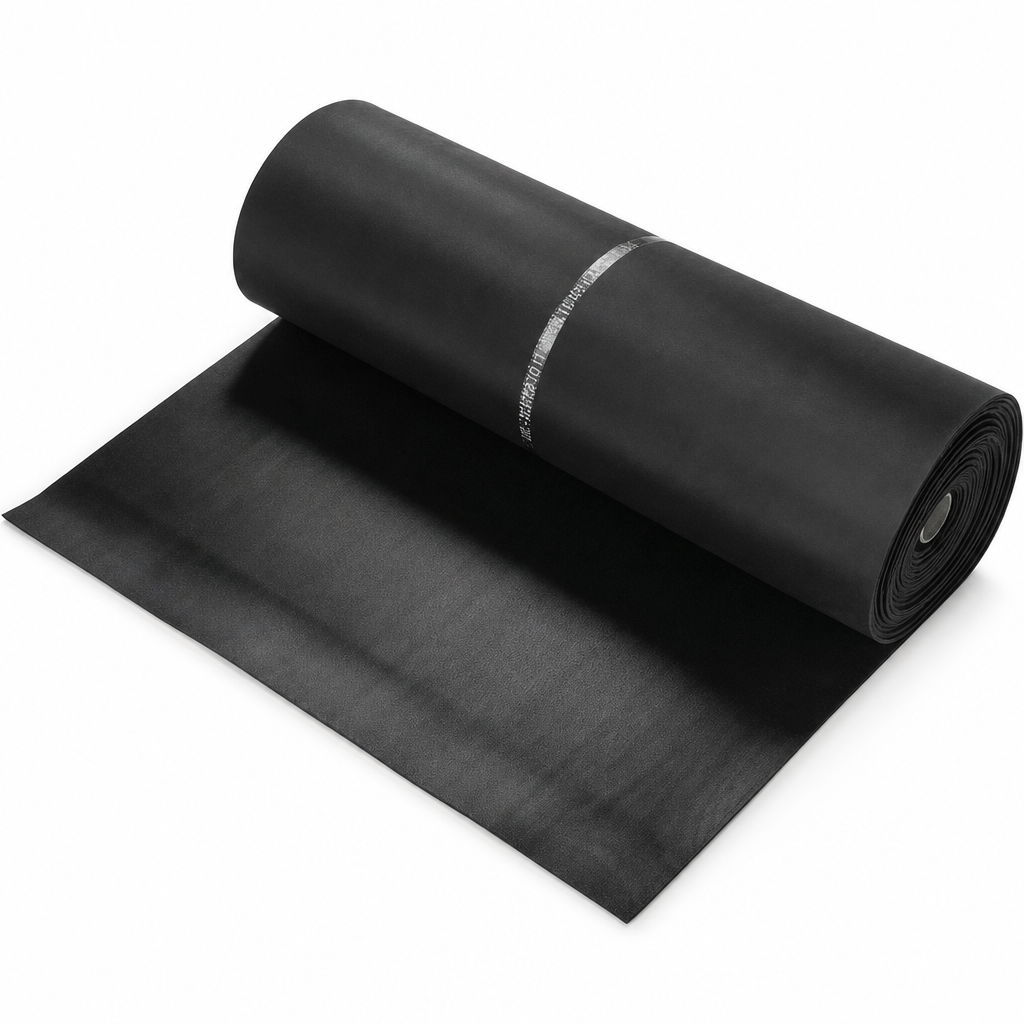
Protect personnel working around electrical equipment with this durable non-conductive rubber safety matting. Designed to provide an insulated surface, it helps reduce the risk of electric shock in demanding industrial and commercial environments.
Supplied in convenient roll lengths and a choice of thicknesses and widths, this matting is ideal for positioning in front of switchboards, control panels and other high-risk areas. Simply roll out and trim to fit if required.
Product Features
- Non-conductive rubber surface helps insulate against electrical hazards
- Available in multiple thicknesses to suit different protection requirements
- Roll format makes installation straightforward in longer work areas
- Choice of widths for use in front of panels, benches and walkways
- Durable construction suitable for industrial and commercial use
- Can be cut to length on site for a tailored fit
Key Specifications
| Carpet thickness (mm) | Lengths (m) | Width (mm) |
|---|---|---|
| 6 | 0.9 | 1000 |
| 6 | 2 | 915 |
| 6 | 5 | 1220 |
| 6 | 10 | 1220 |
| 9.5 | 5 | 1220 |
| 9.5 | 10 | 1220 |
Applications
- Positioning in front of electrical switchboards and distribution panels
- Use around machinery control stations and test benches
- Covering walkways in electrical workshops and plant rooms
- Providing insulated standing areas for maintenance staff
- Enhancing safety in laboratories and technical facilities
Frequently Asked Questions
Where should non-conductive safety matting be installed?
It is typically installed in front of electrical switchboards, control panels, distribution boards and other areas where personnel may be exposed to live electrical equipment, providing an insulated standing surface.
Can the matting be cut to fit a specific area?
Yes, the rolls can be trimmed on site using a suitable cutting tool so you can shape the matting to fit around obstacles, into recesses or to match a particular floor layout.
How do I choose the right thickness and width?
Select the width based on the area that needs to be covered in front of equipment, ensuring adequate standing space. The thickness should be chosen according to your site risk assessment and any applicable electrical safety guidelines.